After the immediate problem is controlled
Reduce the risk of another incident
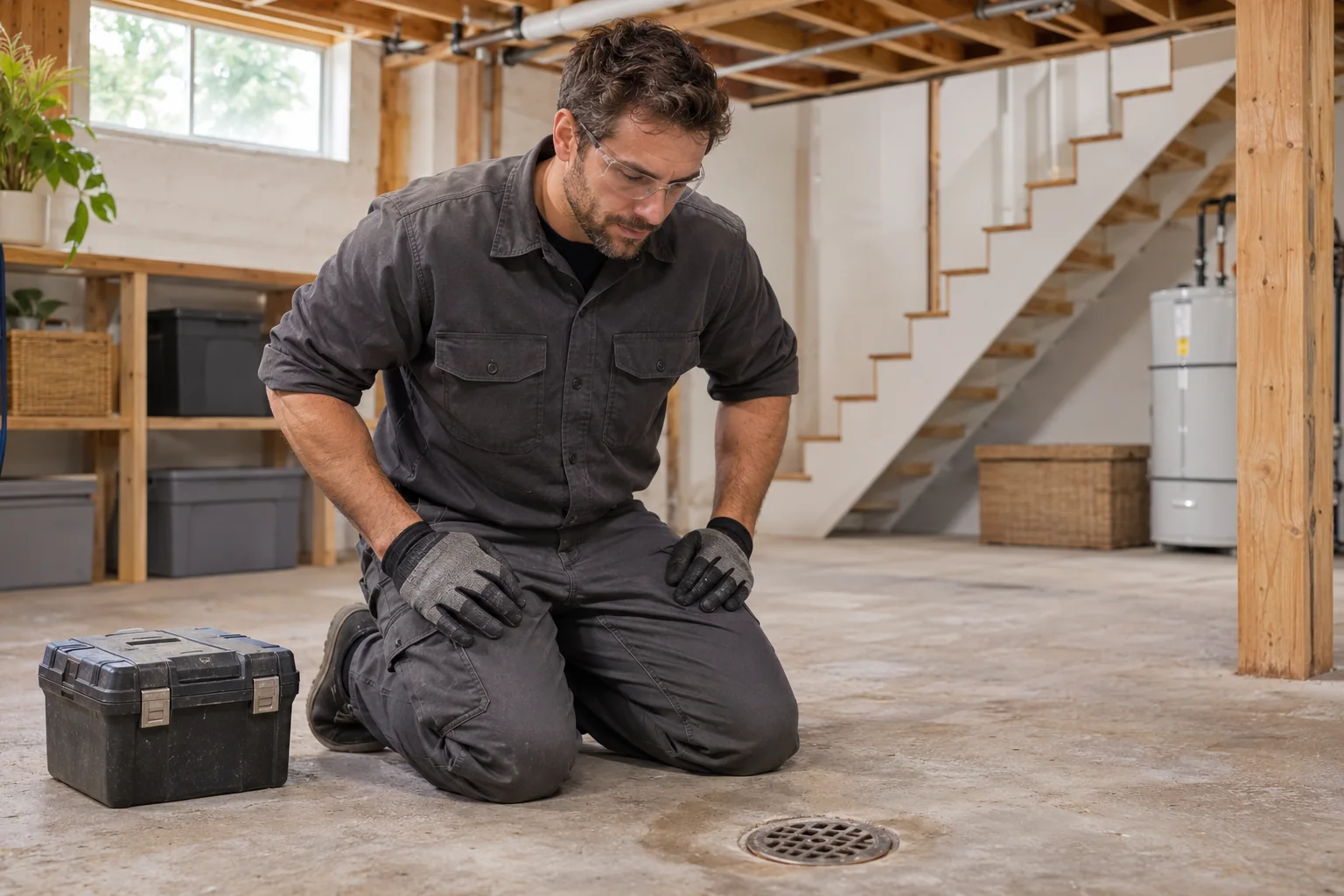
Once flow is restored, ask which measures address the observed problem. A recurring obstruction, a damaged line and inadequate backwater protection require different decisions. Keep cleanouts and existing devices accessible for examination and maintenance. Retain the findings from this visit so a later intervention does not have to rely only on a recollection of the symptoms.
Montréal explains sewer backup protection measures, including valves and their maintenance. To discuss the installation, see our backwater valve service. Protection must suit the fixtures served and applicable requirements. A protective device does not replace correction of a damaged drainage line or eliminate the need to understand an active backup.
Questions about sewer backups
The water level dropped. Should I still call?
Yes, describe the incident and how it changed. The drop may be temporary. Mention whether the problem returns with fixture use or rainfall. Avoid repeated tests and ask which fixtures can be used while awaiting assessment. Explain any new overflow immediately.
Will shutting off the main water stop the backup?
That shuts off the building’s incoming water supply but does not necessarily block water returning through the sewer. Stop activities that add water and notify other occupants. Do not cross a flooded basement to reach a valve or attempt to operate inaccessible equipment.
Can a backwater valve resolve a blockage?
No. A valve is a protective device whose layout and maintenance need evaluation. It does not remove an obstruction or repair a cracked pipe. The immediate response must first address the active backup and the conditions found at the property.