
Plomberie LaSalle · Côte-Saint-Luc
Plumber in Côte-Saint-Luc
Looking for a plumber in Côte-Saint-Luc for a leak, a blocked drain or a hot-water problem? Plomberie LaSalle helps you prepare a service visit around the symptoms and access to your building.
House, rental or condo: tell us what is happening and who can authorize the work. Call about an active problem. We will confirm availability for your address and the work requested.
The right contact, access and timing
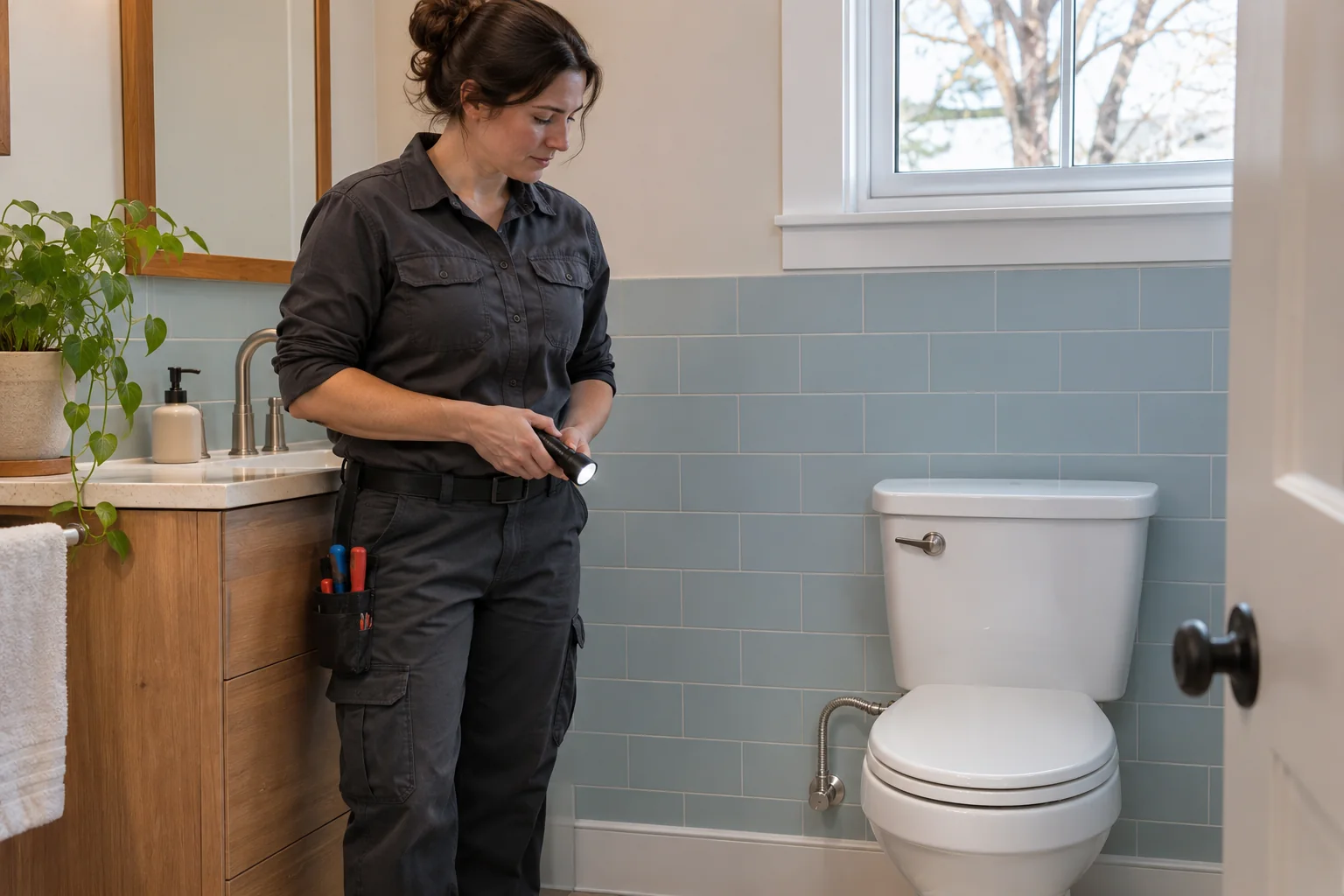
A plumbing problem needs different preparation in a house and a shared building. In a house, you can often show the fixtures and basement access directly. In a condo, the person opening the unit may not have access to the common shutoffs. That difference changes how a visit is organized, even when the repair itself seems straightforward. Tell us about those restrictions at the first call.
Provide the complete Côte-Saint-Luc address, unit number and floor. Add the entrance to use and instructions for reaching the superintendent or manager. A meeting point near Cavendish or Kildare Road does not identify the right unit. We need the specific building to discuss availability and the access required. Let us know whether someone will be present to open the door and show the affected area.
For a condo or rental unit
Notify the owner or manager if the problem may involve shared piping or another unit. Ask who can authorize the work and arrange a water shutdown. The plumber can assess the situation, but the relevant installations must also be accessible. Do not operate a shared valve without agreement from the person responsible. A repair inside your unit can still affect the water supply elsewhere.
Before the appointment, gather that person’s contact details, access hours and building restrictions. Mention whether an elevator must be reserved to move an appliance. These details help establish a workable appointment rather than discovering a locked equipment room on arrival. If authorization is still pending, explain that clearly so the visit can be planned around what is actually available.
What is happening in your home?
A leak or a running toilet
Describe where the water appears and when you notice it. A leak following a flush points to different possibilities than a tank that keeps refilling. A stain on a ceiling may also originate farther away. Explain what you can see instead of assuming that the toilet needs replacement or the wall must be opened. Mention recent work near the affected fixture, even if it seemed unrelated at the time.
If you can safely reach the fixture’s shutoff, close it gently to limit the flow. Do not force a stuck valve. Keep people away from an area where water could contact electricity. For an active leak, call directly and say whether water is still flowing. Our water leak repair page explains how investigation and repair fit together. The right action depends on the actual source, access and condition of the piping.
A slow drain or several affected fixtures
One slow basin and several backing-up fixtures suggest different situations. Tell us whether the kitchen, bathroom and basement drain are affected. Note unusual sounds and what is happening when water rises. If other units have the same problem, pass that information to the manager so the response can be coordinated. Avoid testing repeatedly if each use sends more water back into the room.
Stop using fixtures that trigger the backup. Explain which products have already been poured into the drain and when. Do not add chemical mixtures. The choice of access and method depends on the pipe and symptoms. Read about drain cleaning and unclogging to understand the options. High-pressure cleaning is one possible method, rather than an automatic answer for every blockage. An assessment helps determine the appropriate next step.
Hot water that runs out
Check whether the lack of hot water affects one tap or every fixture. Tell us if the change was sudden, if water turns lukewarm quickly or if you see water near the tank. These observations help separate a local fixture issue from a wider problem. They do not confirm remotely which part needs replacement. Record the pattern without opening electrical covers or dismantling the equipment.
In a shared building, find out whether your unit has its own tank or uses a common system. For an individual appliance, prepare a photo of the accessible label. Our electric water heater service page explains assessment and replacement considerations. Mention stairs, clearance and the removal route before ordering another tank. Capacity alone does not establish that a replacement will fit the space or existing connections.
A service visit that accounts for other occupants
During the first conversation, we clarify the symptoms and access. An examination on site then helps establish the repair options. If a wider shutdown is needed, the plan must account for affected occupants. A small leak in a shared building can therefore require more coordination than a similar repair in a house. Explain this constraint before arranging the visit, including any hours when the building cannot allow a shutdown.
Before work begins
Show the symptoms, known shutoffs and recent work in the area. Explain what has already been repaired. If you have bought a part or fixture, keep the model reference and instructions available. The plumber can compare it with the existing installation. A new product does not by itself guarantee that the dimensions and connections suit the space. Share any surfaces or cabinets you want to preserve.
Ask what the intervention includes and what could change after the assessment. Access time, pipe condition, required parts and shutdown coordination affect the scope. If an opening is proposed, clarify who will restore the surface afterward. These questions are more useful than assuming that every property needs the same work at the same price. Discuss the proposed solution before authorizing additional work outside the original request.
Before returning fixtures to use
The work includes checks relevant to the repair performed. Ask which fixtures can be used and what signs to watch for. If another intervention remains necessary, clarify that next step. In a shared building, pass the relevant information to the manager. This helps avoid an uncoordinated restart or use of a fixture that is still affected. Confirm who will communicate with other occupants if their water supply was interrupted.
Keep a description of the work and references for replaced parts. If an intermittent leak returns, note the date and conditions. Specific observations make follow-up easier. Our residential plumbing page covers common household needs. You can also explore all our plumbing services for a larger project. A repair visit can identify another concern without automatically turning it into a complete renovation.
In Côte-Saint-Luc: private plumbing and municipal water
The City distinguishes private-property leaks from water visible on a road or sidewalk. Indoor pipe leaks require a private plumber. To report water on public property, use the contact information on the City’s water leak page. Avoid deciding the source from a single stain or wet patch.
If the assessment points to the municipal network, contacting the City becomes a separate step. Plomberie LaSalle remains your contact for the private plumbing request. Explain whether water appears inside the unit, in the basement or outdoors, and how long you have noticed it. Useful observations help direct the request without assuming that all work near the property boundary belongs to the same party.
Before relocating fixtures or arranging a renovation, check the applicable municipal steps. The Côte-Saint-Luc permit application is the official starting point. Describe the project to the City and building manager as appropriate. Condo authorization and municipal permission address different questions. One does not automatically replace the other. Confirm the requirements for your actual scope before committing to a work date or buying equipment.
Questions before the appointment
Should I wait for the manager before calling?
You can call to describe an active leak and discuss availability. At the same time, notify the person responsible for the building. Be clear if valves or equipment rooms are inaccessible. We can discuss the next steps with that limitation in mind. Calling about the problem does not mean shared access has already been arranged or the broader work authorized.
Can I request an emergency plumber in the evening?
Call to check availability for your address and explain whether water is still flowing. Searching for a 24-hour plumber does not establish an arrival time. We will clarify the possibilities during the call. For planned work, the contact form lets you describe the project and access restrictions. Include your preferred timing and who can answer questions about the building.
Should I buy a toilet before the visit?
Describe the problem first. A running toilet may need repair rather than complete replacement. If you want to change it, check dimensions, the water supply and building restrictions before buying. Keep the proposed model available so connections and clearance can be discussed. The removal route and condition of the existing shutoff can also affect preparation for the installation.
Which photos are most helpful?
A general view shows the fixture and access. A closer photo then shows where water appears or which connection is involved. Take pictures only from a safe position. You do not need to dismantle anything to document a request. Photos help prepare the conversation, while an examination on site establishes the actual condition and repair requirements.
Tell us what you need in Côte-Saint-Luc
Have your address, unit number, symptoms and access contact ready. Call 514 312-3198 about an active problem, or send a request for planned work. For another property on the island, see our Montréal and island service coverage, including Saint-Laurent and Côte-des-Neiges–Notre-Dame-de-Grâce. Availability is confirmed for the address and work requested.