Skip to content

Licensed plumbing contractor · RBQ 5688-9025-01

Emergency service available 24/7

Plomberie LaSalle

Plomberie LaSalle • Sainte-Anne-des-Plaines

Call 514 312-3198

Plumber in Sainte-Anne-des-Plaines — emergencies and planned work

Need a plumber in Sainte-Anne-des-Plaines for a leak, blocked drain or work at your business? Call Plomberie LaSalle. Describe the problem so we can confirm availability at your address and discuss the appropriate next step.

Tell us right away if water is still running, sewage is coming back up or people remain in the building. Arrival time and service conditions must be confirmed for your situation.

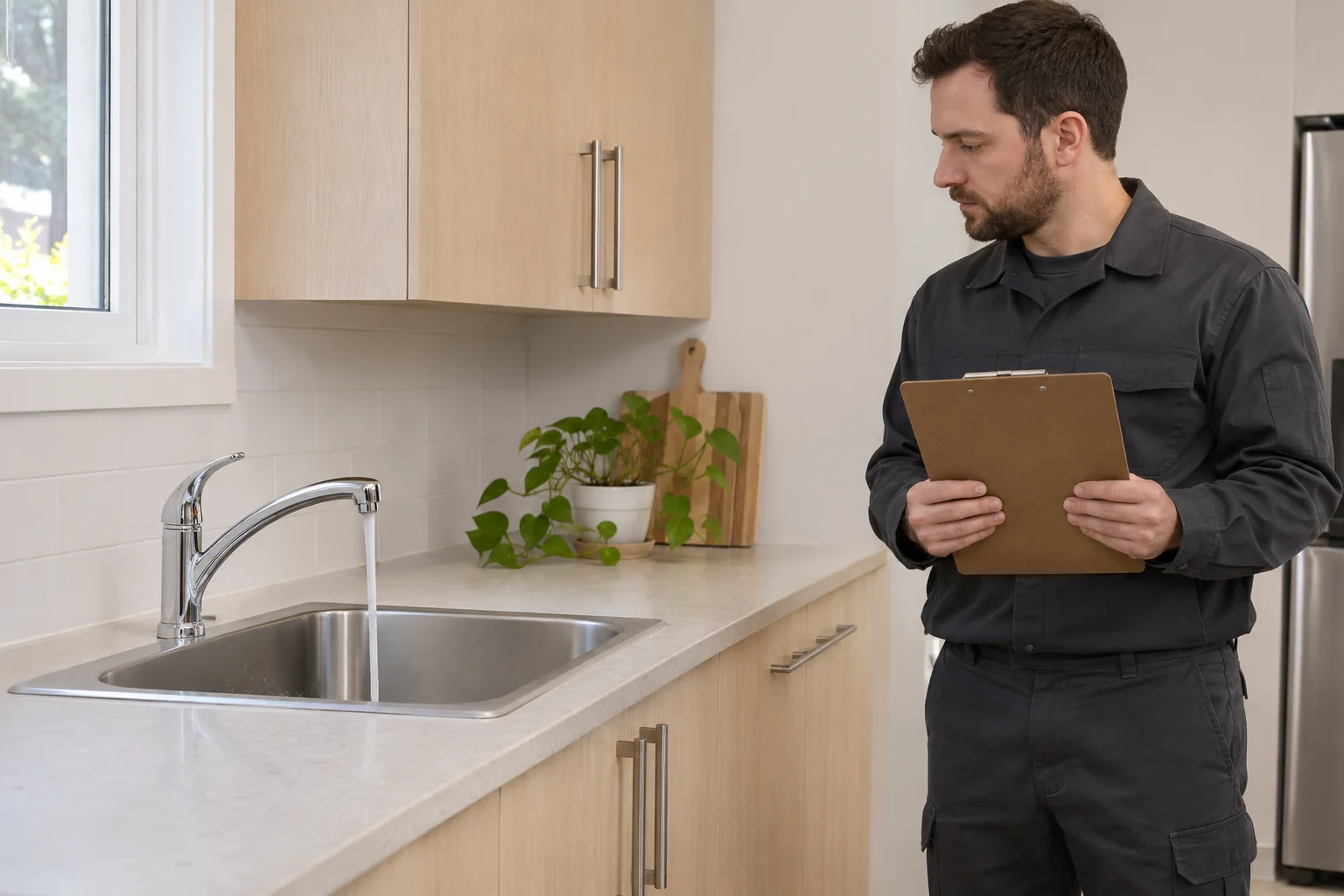
Technician taking notes beside a kitchen sink
A clear description of the symptoms helps prepare the assessment.

Urgent calls • assessment • repairs

A plumbing emergency in Sainte-Anne-des-Plaines?

A leaking pipe, overflowing toilet and backed-up floor drain call for different responses. Start by explaining what is happening now. An old, dry stain is different from water actively dripping through a ceiling. However, even a small ongoing leak deserves attention before moisture spreads into surrounding materials.

If you know which valve controls the affected line and can reach it safely, close it gently. Do not force a stiff valve. Then move belongings only where you can do so from a dry, safe location. Avoid electrical equipment and panels near water. Finding the source matters, but protecting people comes first.

Tell us whether shutting a valve stopped the flow. Also mention any rooms below the leak and whether water has reached a shared space. These details help explain the urgency without guessing at the cause before an assessment.

When wastewater comes back up

Stop using toilets, taps and appliances that discharge water. Keep children and pets away from the affected area. Do not walk through sewage to retrieve tools or belongings. A backup at one floor drain can involve a shared pipe, even when only one fixture seems affected at first.

Call to describe the symptoms and confirm the available service. If there is an immediate danger to people, contact the appropriate emergency services. Do not keep flushing a toilet to test whether the problem has cleared. More water can make an active backup worse.

Choose the next step from the symptoms

Leaks and water loss

Explain whether water appears under a sink, beside the water heater or behind a wall. Note whether it happens only while a fixture is running. Water leak repair begins with locating the source. A visible stain may be some distance from the failed connection.

If safe, take a photo before the visit. Avoid opening a large section of wall simply to search for a pipe. Useful access depends on the actual water path and observations at the building. Mention any recent fixture replacement or work near the affected area.

Blocked drains and backups

A slow bathroom sink may have a local blockage. By contrast, several fixtures gurgling together can point toward a shared section of drainage. Mention earlier clearing attempts and any chemical drain products used. That information matters when preparing the work and assessing the remaining symptoms.

Our sewer backup page explains the main distinctions. Clearing, inspection and pipe repair address different needs. A drain that starts flowing again does not by itself prove that the underlying cause has disappeared. Recurring symptoms deserve a closer assessment.

Basement protection

A backwater valve and a sump pump do different jobs. The valve limits reverse wastewater flow through the pipe it protects. The pump removes water collected in a basin. Neither device provides a blanket guarantee against every source of basement water.

Arrange an assessment of the backwater valve if its location, access or operation is uncertain. Keep maintenance openings accessible. Before modifying a system, the existing connections and building conditions need to be understood. Avoid covering an access point with permanent finishes.

Municipal supply or plumbing inside the building?

Low pressure does not automatically mean that a faucet needs replacement. First, compare the symptoms. Is the flow weak at one fixture or throughout the property? Are both hot and cold water affected? Did the change begin after a valve was closed or work took place?

When several water outlets change at once, check current municipal information too. The City’s drinking water and wastewater resource covers network flushing and the responsible municipal service. The City explains that flushing can temporarily affect pressure and water clarity. This municipal resource is in French.

Follow the municipal instructions that apply to your sector. A private plumbing repair does not replace reporting a public network issue. Likewise, a municipal notice does not establish that every leak inside your property comes from the street. Share the notice and your observations when you call.

A useful check for business properties

The same City resource discusses water meters in commercial and industrial buildings connected to the municipal supply. It distinguishes the City supplying the meter from the owner’s responsibility for installation. Before moving a meter or changing its connections, confirm the current procedure with the municipal service.

Tell us whether the property uses the municipal network or a private water installation. This helps prepare the right assessment. It also avoids confusing an internal distribution fault with a supply problem that needs another party’s involvement.

For alterations, confirm which approvals apply to the proposed work. Requirements depend on the property and the scope. A specific permit cannot be assumed necessary or unnecessary without checking. Keep available plans and previous work records together so the project can be discussed with accurate information.

Commercial plumbing in occupied buildings

At a business, a plumbing fault often affects more than one fixture. It can close a washroom, interrupt a kitchen or leave several units without water. Explain the practical effect on your operations. Include access hours, public areas and the person authorized to approve the work.

Next, identify equipment that shares the same water supply or drain. A shutoff may affect another tenant. A common pipe may also receive discharge from equipment elsewhere. An assessment should consider these connections before selecting a repair. If the layout is uncertain, say so instead of relying on an unverified assumption.

Gather relevant plans and earlier reports where available. Notify occupants about a planned interruption once its scope is clear. Keep access routes open, but do not move heavy equipment yourself. The work area and return to service depend on the conditions found on site.

Repair a component or replace the assembly?

An accessible fitting with sound surrounding pipe may allow a focused repair. A weakened line, damaged fixture or recurring fault can call for a broader solution. Ask what supports the recommendation and what each option includes. The choice should reflect the findings rather than the symptom alone.

For a water heater or plumbing fixture, note the make, model and observed problem. A lack of hot water does not by itself prove that the tank needs replacement. Similarly, a running toilet can have several causes. Assessment helps avoid choosing new equipment based only on age.

For renovations, discuss plumbing before closing walls. New fixtures must suit the water supply, drainage and available space. A clear scope helps coordinate plumbing with other trades. Confirm who handles access openings and surface repairs so these tasks are included in the project plan.

Preparing for a plumber in Sainte-Anne-des-Plaines

1. Describe the problem

Have the full address, building type and on-site contact number ready. Explain when the problem started and what triggers it. Mention affected areas, noises, odours and any wastewater. If the fault comes and goes, describe the pattern and which appliances were operating.

2. Confirm the proposed work

An on-site assessment helps clarify access, parts and useful tests. Ask for an explanation before a significant opening or alteration. If another condition appears, clarify how it changes the scope. For shared properties, confirm who can authorize that change.

3. Discuss the final checks

Verification should match the repair performed. Ask which checks were completed and what to watch afterward. Keep details about replaced parts and relevant maintenance recommendations. If a limitation remains, understand whether another visit or a different specialist is required.

What affects the cost?

Access, the type of defect, materials and labour all affect the work. An exposed pipe presents a different job from one behind finished surfaces. An inspection, special equipment or another visit can also change the proposal. A useful estimate needs enough detail about the actual property.

Before confirming, ask about travel charges, emergency service conditions and what the proposed work includes. Also clarify who restores any surfaces opened for access. A clear scope is more useful than a generic price that overlooks your building. If you are comparing options, compare their inclusions as well as their totals.

Keep the immediate repair and future improvements distinct. Restoring a working fixture today may not address every ageing component nearby. Ask which items are urgent, which can be planned and what evidence supports each recommendation. This gives you a practical basis for deciding what to authorize.

Frequently asked questions

What should I say during an emergency call?

Give your Sainte-Anne-des-Plaines address and describe the current risk. Say whether water is still flowing, a valve has been closed or sewage is coming up. Mention access restrictions. Availability, timing and service conditions must be confirmed during the call.

Does a slow drain always need a camera inspection?

No. The appropriate approach depends on access, recurrence and how many fixtures are affected. A camera can help investigate a pipe defect, but it does not replace every other check. A complete obstruction can also limit what the inspection can show until the line is cleared.

Why has pressure dropped throughout my building?

Possible causes include a valve, an internal distribution component or work on the public network. Compare hot and cold water, then check relevant municipal notices. If the issue persists or appears limited to the property, an assessment of the private plumbing can help identify the cause.

Can I discuss planned plumbing work for a business?

Call to explain the project and confirm availability at your address. Mention the equipment, access hours and effects of a water interruption. If you lease the premises, identify who authorizes the work and whether other occupants share the affected plumbing.

How can I deal with a drain that keeps blocking?

Keep grease and wipes out of drains. If a blockage returns after clearing, investigate the cause before repeating the same treatment. Save earlier reports and note which fixtures are affected. These observations help distinguish a local obstruction from a problem farther along the line.

Discuss your plumbing needs

For an urgent repair or planned work in Sainte-Anne-des-Plaines, call Plomberie LaSalle at 514 312-3198. Have the address and symptoms ready to discuss the next step. Managing properties in other locations too? See our North Shore plumbing services page to place your request.

Call Plomberie LaSalle

Customer reviews

Customer reviews are displayed through Trustindex, independently of optional cookie choices. Trustindex and Google may receive connection data when the reviews and profile images load.

Read the reviews on Google