
Plumber in Saint-Lambert for emergencies and planned work
Need a plumber in Saint-Lambert for a leak, a blocked drain or work in your business? Call Plomberie LaSalle to explain the problem and confirm availability for your address.
Tell us what is happening, the building type and any access constraints. Timing and the next steps must be confirmed by phone.
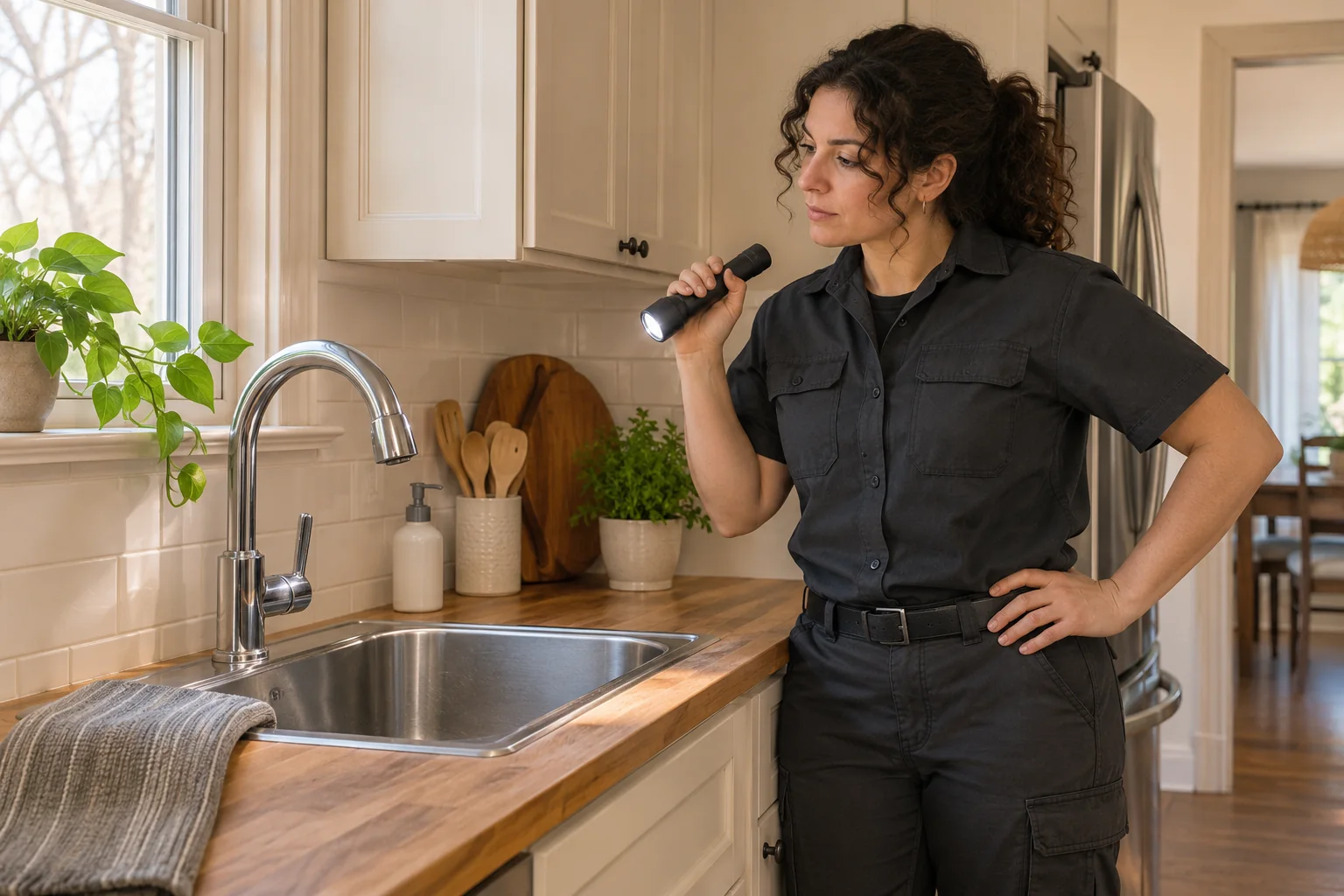
A plumbing emergency in Saint-Lambert?
Water will not stop flowing
Close the fixture shutoff valve if you can reach it safely. Otherwise, close the building’s main water valve when access is safe. Move exposed belongings out of the way, then call to describe the leak and what you have already done.
Sewage is backing up
Stop using toilets, sinks and appliances that discharge water. Keep people away from contaminated water. Explain whether several fixtures are affected and whether the water level is still rising. Repeated flushing can make the situation worse rather than clear the blockage.
Water is near electricity
Stay out of the wet area. Do not touch electrical equipment, outlets or a panel exposed to water. If there is an immediate threat to people, contact emergency services. A plumbing repair should never begin by entering an unsafe area.
An active leak requires a prompt decision, but a ceiling stain does not always identify the source. Tell us when it appears: during a shower, after flushing or when nobody is using water. These details help direct the first checks. However, they cannot replace an on-site assessment of the actual piping and fixtures.
A plumber in Saint-Lambert for the problem you are seeing
Leaks, faucets and fixtures
A connection beneath a sink, a running toilet and a concealed pipe require different checks. First, note whether the leak is constant or connected to a particular activity. Then mention recent repairs and any visible materials. Avoid opening a wall simply because water appeared nearby; the source may be elsewhere.
For a faucet or toilet replacement, have the selected product reference ready. Available space, existing connections and the condition of the shutoff valve all affect the job. A safely taken photo can help prepare a visit when a way to share it has been agreed. Keep the packaging and installation information available for the appointment.
Slow drains and recurring blockages
One slow basin may point to a problem near that fixture. By contrast, several slow drains call for a wider investigation. Describe sounds, odours and previous incidents. Avoid combining drain chemicals or repeatedly adding products. If you have already used a cleaner, tell the plumber which one before any drain is opened.
Backups and targeted inspection
If water rises through a floor drain, read our page about sewer backup for the relevant service. Clearing a blockage aims to restore flow. It does not, by itself, establish that the line is sound or that the underlying cause has disappeared. A recurring symptom deserves a clear explanation.
A drain camera inspection may help when blockages return or a repair is being considered. Its usefulness depends on access, visibility and the condition of the line. The images should support an explanation of what was actually seen. Ask which section was inspected and whether any part remained inaccessible.
Protection against reverse flow
A backwater valve must suit the drainage arrangement and remain accessible for maintenance. Having a valve does not guarantee that water damage cannot occur. Before changing a connection or finishing a basement, arrange a review of the existing installation and confirm the requirements that apply to the proposed work.
Plan plumbing work around the way your building operates
Hiring a plumber in Saint-Lambert for a business involves more than locating a faulty part. A failure can also affect staff, customers and daily operations. Explain whether toilets remain usable, a wash station is essential or a leak threatens stock. The practical consequences help establish urgency more clearly than noise or odour alone.
Before a water shutdown, identify who can approve the work. Also check who needs notice in neighbouring premises. A local shutoff may sometimes reduce disruption, but the piping arrangement and valve condition must first be understood. Confirm the proposed work period instead of assuming an after-hours appointment is available.
For a rental building or condominium, identify the affected floor and any shared riser. Coordinate access to mechanical rooms with the owner or property manager. The plumber needs to distinguish the affected part of the system before recommending a useful repair. Make sure someone can answer questions about earlier work and recurring complaints.
For planned work, list the fixtures you intend to keep, relocate or replace. Include hygiene requirements, delivery restrictions and parking access. Finally, agree on the checks needed before service resumes and who will receive the explanation at the end of the visit. Clear coordination helps prevent an otherwise straightforward repair from stalling.
Sanitary drainage and stormwater: define the right project
A toilet discharges sanitary wastewater. Rainwater and some drainage water serve a different function. When a connection is altered, the actual destination of each pipe must be understood. Two pipes being close together does not establish where they lead or mean that joining them is acceptable. Existing arrangements need verification rather than assumptions.
Start with the Saint-Lambert permit application portal. Describe the proposed work to the appropriate municipal department and ask which documents apply to your property. An interior repair and an alteration to a service connection are different projects. The portal also directs applicants to check the complete municipal information before applying.
The City’s service connection procedure, available in French, addresses permits and coordination for service entrances. Confirm the current procedure before scheduling excavation, a street-side water shutdown or backfilling. This avoids arranging work before the required municipal involvement has been clarified.
Information worth gathering first
- The work address and the contact details of the person authorized to make decisions.
- Available plans, known earlier alterations and the location of access points to the drainage system.
- The purpose of the affected lines: wastewater, rainwater or drainage that still needs identification.
- The intended scope: a local repair, replacement, relocation or a new connection.
- Access, occupancy and restoration constraints affecting the grounds or the inside of the building.
This preparation helps avoid ordering work based on an untested explanation. The technical findings and the City’s response can then establish the next steps. Do not change a connection simply to work around a problem whose cause remains unknown. Keep municipal correspondence and any approved plans with the project documents.
Your plumber in Saint-Lambert: from first checks to restored service
Describe and check
During the call, explain the symptoms, address and immediate risks. On site, the assessment focuses on accessible components and relevant history. The aim is to identify a likely cause before replacing parts without a reason. Mention what changed just before the problem began.
Agree on a clear scope
Ask what is proposed, what remains uncertain and which access limits matter. A repair may be enough, while another situation may need further investigation. Confirm authorizations and planned interruptions before work begins. If opening a surface is necessary, ask how that affects the scope.
Check and explain
The checks should match the work performed: watertightness, operation or drainage, as appropriate. Ask about operating instructions and signs to watch for. Retain useful information if follow-up or another stage is needed. A clear handover helps the building’s occupants understand what has changed.
Plumber in Saint-Lambert: cost and scheduling factors
Diagnostic time, pipe access, required parts and restoration work affect the cost. An exposed connection under a sink is a different job from a line beneath a concrete slab. Permits and the involvement of other trades can also affect scheduling. The actual scope matters more than a general price attached to a symptom.
Before confirming, ask about travel, assessment and repair charges. For a larger project, distinguish included work from items that depend on findings. Prices and timing should reflect your situation. An overall estimate should make important assumptions clear, especially where piping is concealed or the condition of existing equipment is uncertain.
If you are deciding between repair and replacement, compare equipment condition, parts availability and the consequences of another failure. Future maintenance access matters too. The lowest initial expense may not reduce repeat visits. Ask what each option addresses and which existing risks would remain after the proposed work.
Prepare safe access before the visit
Clear the space beneath the sink or around the water heater only when the area is safe. Locate the shutoff valve without forcing it. In a managed building, make sure keys and authorizations will be available. Missing access can delay even a simple repair, particularly when the relevant valve serves several units.
Write down when the problem began and which fixtures are affected. Have earlier invoices or inspection reports ready. For an intermittent leak, describe what triggers it. Finally, avoid repeated tests that worsen a backup or add water to the floor. Useful observations can be collected without deliberately recreating a damaging event.
Have another property to discuss? See our South Shore coverage, then confirm availability for each address by phone. A nearby location does not establish an arrival time or guarantee that the same work can be scheduled together.
Questions about plumbing in Saint-Lambert
Can I call about an emergency at a business?
Yes. Describe the incident, unusable fixtures and effects on your operations. Explain who can authorize a water shutdown and provide access. Availability, timing and possible next steps must be confirmed for the address and situation. If people face immediate danger, contact emergency services first.
Does every leak repair require a permit?
Requirements depend on the scope of work. Replacing an interior component is different from altering a service connection. Ask the City about your specific project before scheduling connection work. Have a short description of the intended changes and any available plans ready for that discussion.
Does every blocked drain need a camera inspection?
No. The choice depends on symptoms, access and whether the problem keeps returning. A camera can document a visible defect, but it is not automatically needed for every slow drain. Ask what the inspection would establish and whether the line can be viewed meaningfully in its current condition.
What should I prepare for planned plumbing work?
Gather the address, useful photos, fixture list and available plans. Add occupancy constraints and authorization from the owner or manager. This helps define a practical visit and the checks required. If several people make decisions, identify one person who can confirm the agreed scope.
Does a backwater valve remove every water-damage risk?
No. Its protection depends on its design, installation and maintenance. It does not correct every cause of water intrusion or leakage. Access and condition should be part of the drainage review. Ask how the existing arrangement relates to the problem you are trying to prevent.
Need help at your Saint-Lambert property?
Call Plomberie LaSalle with the address and symptoms. We can clarify your request and confirm the next steps for urgent repairs or planned work.
Customer reviews
Customer reviews are displayed through Trustindex, independently of optional cookie choices. Trustindex and Google may receive connection data when the reviews and profile images load.
Read the reviews on Google